The weight and wonder of birthdays
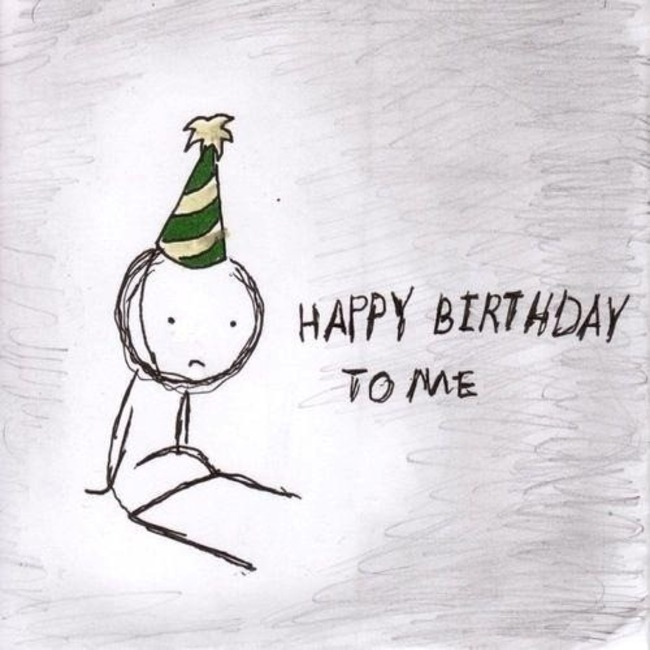
Many moons ago, a student sat across from me and spoke about his birthday. He was about to turn eighteen, and what surprised me was not the milestone itself, but the anxiety it carried. To most adults, eighteen looks like a beginning an age soaked in possibility, where mistakes are expected and forgiven, where life is still pliable. But from the student’s chair, eighteen did not feel expansive. It felt heavy. For this child, the birthday was not about becoming an adult on paper or gaining new rights. It did not feel like freedom. It felt like a quiet audit. Should I know more by now? Should I feel surer? Should I already be someone? What was activated was not excitement, but a sense of falling behind an invisible version of themselves they thought they were meant to have become. The birthday, instead of opening doors, turned into a measuring stick.
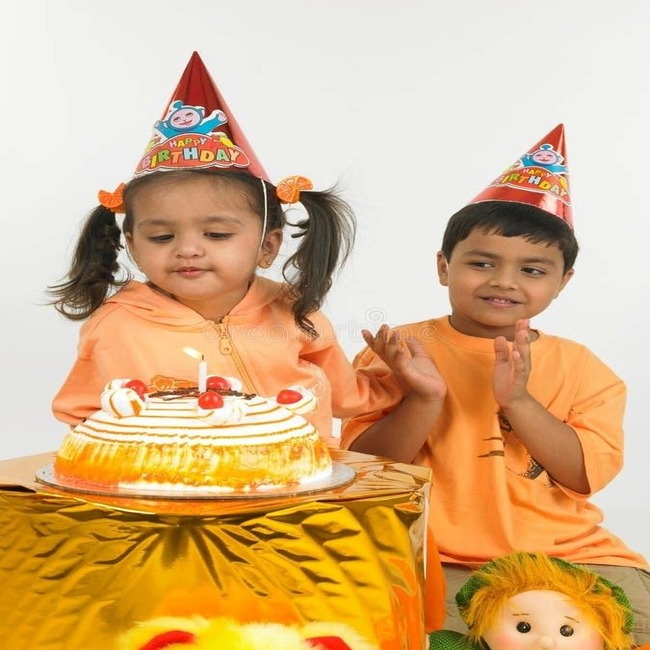
Another child once spoke about birthdays very differently, yet with a similar ache. In classrooms and school corridors, birthdays are supposed to be light days…extra smiles, chocolates passed around, teachers pausing to sing. But for some children, birthdays are also days of noticing. Who brings cupcakes for the entire class and who doesn’t. Who gets taken out to cafés and who goes home quietly. For a child, these are not abstract social inequalities; they are felt moments. A birthday can become less about celebration and more about comparison about learning, early on, where one stands.We often tell children that birthdays are meant to be happy days and they can be. In practice however they are often emotionally crowded. Joy sits next to embarrassment. Gratitude brushes against envy. Pride mingles with loneliness. Children rarely have the language to name these contradictions, but their bodies carry them and so, what is meant to be a single happy day can quietly hold many feelings at once.
As children grow into young adults, the feelings don’t disappear … they change shape. In conversations with people in their twenties, certain ages…twenty-five, thirty…they are spoken about in hushed, almost reverent tones. These numbers come loaded with imagined futures. Many had once believed that by these ages, life would feel more stable, more abundant, more certain. But life, as it tends to do, takes detours. When a birthday arrives, it collapses time into a single question: Am I where I’m supposed to be?For some, the day becomes celebratory. For others, it opens a quiet existential discomfort. Birthdays do not just mark age; they reopen personal histories. For those who grew up needing to earn affection or prove their worth, the sudden attention of a birthday can feel confusing. Why today? Why not tomorrow? Why not always? The same focused care that makes the day feel special can also underline its absence on ordinary days. For these individuals, birthdays can feel overwhelming …not because they are unloved, but because love has felt conditional or scarce.
Even as social timelines are being questioned and rewritten, birthdays remain stubborn symbols. They continue to act as checkpoints against cultural expectations. For many women, turning thirty still comes with unspoken judgments about marriage and stability. For men, the pressure may gather around financial success or career milestones. These messages do not arrive suddenly. Children absorb them slowly, over years, watching adults react differently to different ages. Long before a child understands these expectations intellectually, they feel them emotionally.In schools, these dynamics appear in small, everyday ways. A child notices the difference between a friend’s elaborate birthday party and their own simple celebration. But children also teach us something important here. Many of them intuitively understand that meaning does not always live in extravagance. A homemade sweet, prepared with care, can feel fuller than a restaurant celebration if it is accompanied by presence and attention. A grand party can feel strangely empty if it stands in for time that is otherwise missing. None of this makes parents good or bad. It simply reflects the imperfect, human ways love is expressed under constraint.
When we listen closely, birthdays especially through a child’s eyes are less about cake and candles and more about belonging. They ask something that I personally find very human and humane - Do I matter? Am I seen? Am I allowed to take up space, just for today? Perhaps the invitation is not to make birthdays bigger or quieter, but kinder. To release them from being verdicts on a life and allow them to be pauses moments of acknowledgement rather than assessment. When we soften the meaning we place on birthdays, we give children, and the adults they become, permission to grow without constantly having to account for themselves.
 In the Press
 Admissions