Middle School visits the Crafts Museum on Children's Day
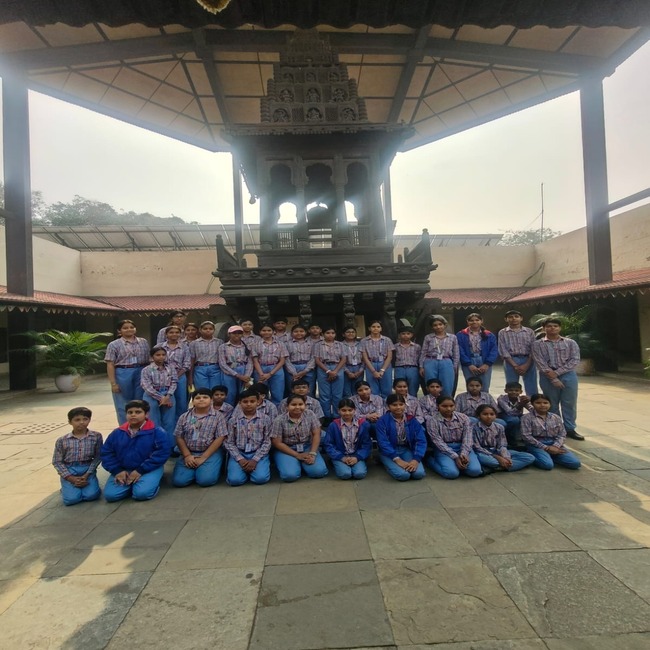
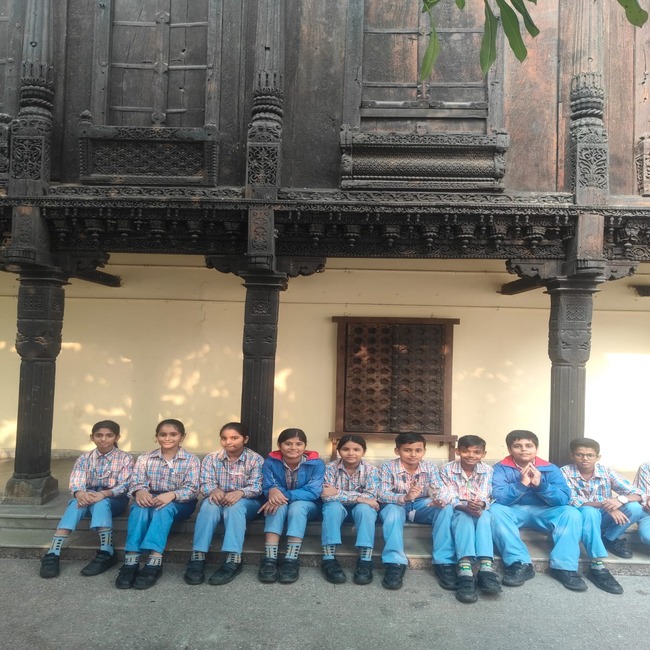
On 14 November 2026, in celebration of Children’s Day, our School organised an educational excursion to the National Crafts Museum and Hastkala Academy for classes VI to VIII. Designed to take learning beyond textbooks and classrooms, the visit aimed to immerse students in India’s vibrant traditional art, living culture, and timeless handicrafts.
The students began their tour at the Folk and Tribal Gallery, where they observed an extensive collection of traditional artworks, sculptures, ceremonial masks, and regional handicrafts. This was followed by a visit to the Cultic Craft Gallery, which showcased intricately crafted idols, ritual sculptures, and artefacts rooted in India’s diverse spiritual traditions.
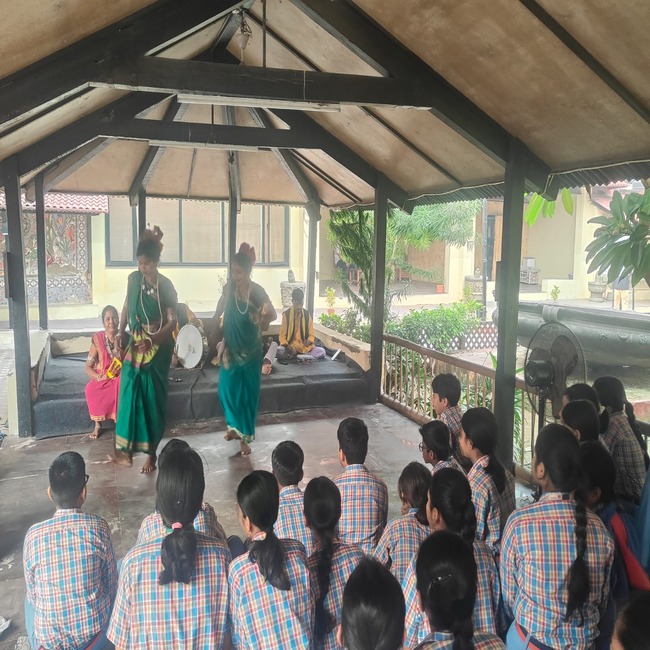
A major highlight of the excursion was an interactive and enriching session conducted by a senior museum staff member. Drawing upon his 26 years of dedicated research experience across various Indian states and foreign countries, he engaged the students with insights into field documentation and cultural preservation. He spoke about the natural beauty and distinct cultural traditions of Assam and Sikkim, while also sharing fascinating historical facts and valuable life lessons that resonated deeply with the young learners.
Following the session, the students were guided through the Textile Gallery, where exquisite handloom sarees and traditional fabrics were displayed in glass cases. The students keenly observed the intricate weaving techniques, vibrant natural dyes, and regional embroidery styles.
The group then explored the open-air village complex, which offered an authentic glimpse into the architecture and rural life of different Indian states. The visit concluded at the handicraft market, where students admired handmade decorative pieces and watched live pottery demonstrations, gaining a firsthand understanding of the skill and patience involved in shaping clay.
Overall, the excursion proved to be both engaging and educationally enriching. It awakened curiosity, nurtured cultural pride, and instilled a genuine respect for the dedication and artistry of India’s craftspeople.
 In the Press
 Admissions